Credit Score Mastery: Boost Your FICO by 50+ Points in 6 Months
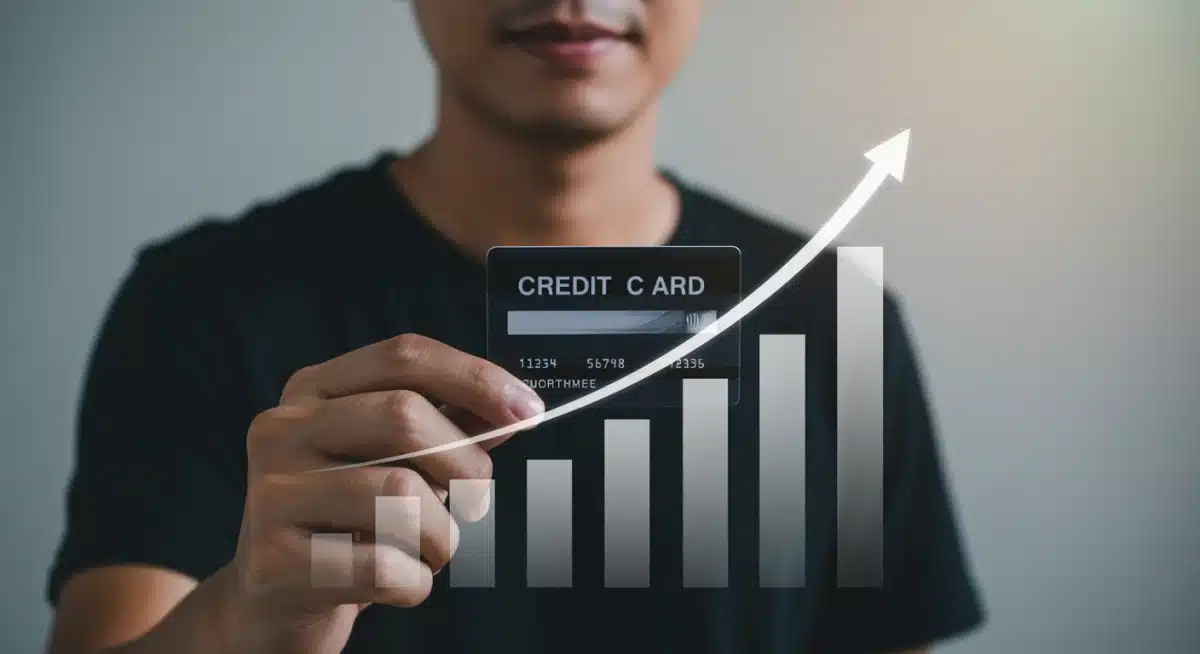
Boosting your FICO score by over 50 points within six months is attainable through strategic financial behaviors, including timely payments, reduced credit utilization, and careful credit management, leveraging current reporting standards for optimal impact.
Understanding your credit score is the first step toward financial empowerment, and achieving credit score mastery can significantly impact your life. Many Americans aspire to improve their FICO score, recognizing its importance for loans, mortgages, and even apartment rentals. This article will guide you through four practical, actionable steps designed to boost your FICO score by 50 or more points within a six-month timeframe, all while leveraging current credit reporting standards.
Understanding Your Current FICO Score and Credit Report
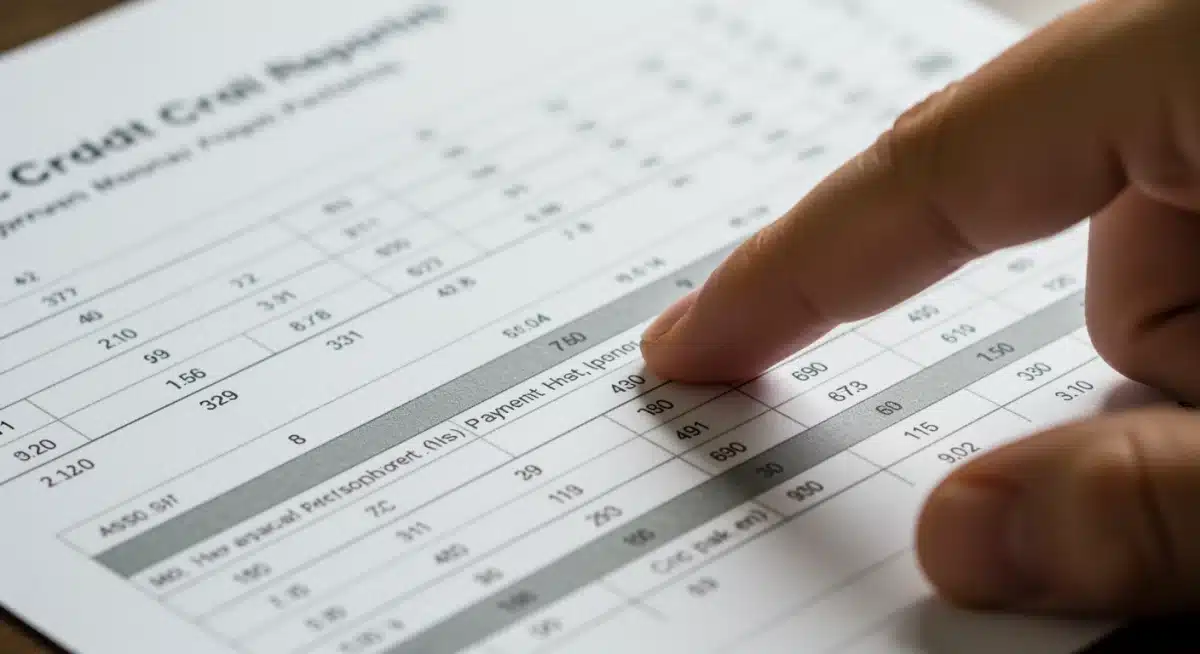
Before you can improve your FICO score, you need to know where you stand. Obtaining and thoroughly reviewing your credit report is paramount. This document provides a detailed history of your credit accounts, payment behaviors, and any derogatory marks that might be impacting your score. It’s essentially your financial report card.
Accessing Your Credit Reports
You are entitled to a free copy of your credit report from each of the three major credit bureaus—Experian, Equifax, and TransUnion—once every 12 months. This is a crucial first step in your journey toward credit score improvement. Many consumers overlook this essential resource, missing out on valuable insights into your financial standing.
- AnnualCreditReport.com: This is the only authorized website for free credit reports.
- Review for inaccuracies: Look for any errors, such as incorrect account balances, accounts you don’t recognize, or late payments that were actually on time.
- Understand reporting standards: Familiarize yourself with how different types of accounts are reported and what information lenders see.
Identifying and disputing errors is a critical component of improving your score. Even a single inaccurate late payment or an account that doesn’t belong to you can drag down your FICO score. The Fair Credit Reporting Act (FCRA) gives you the right to dispute any information on your credit report that you believe is inaccurate or incomplete.
Once you have a clear picture of your credit health, you can begin to formulate a targeted strategy for improvement. Without this foundational understanding, any efforts to boost your score will be less effective and potentially misdirected. Knowing your starting point is key to mapping out your path to credit score mastery.
Step 1: Prioritize Payment History – The Foundation of Your FICO Score
Your payment history is the most influential factor in your FICO score, accounting for approximately 35% of its calculation. This means that consistent, on-time payments are the single most effective way to improve your creditworthiness. Even a single late payment can have a significant negative impact, so establishing a flawless payment record is non-negotiable for anyone aiming to boost their FICO score.
Automating Payments and Setting Reminders
Life can be hectic, and it’s easy for due dates to slip your mind. To avoid this common pitfall, set up automated payments for all your credit accounts. This ensures that at least the minimum payment is made on time, every time, preventing late fees and negative marks on your credit report. Additionally, setting up payment reminders can provide an extra layer of security, allowing you to double-check that payments have been processed correctly.
- Set up auto-pay: Enroll in automatic payments directly through your bank or credit card issuer.
- Calendar alerts: Use digital calendars or apps to remind you of upcoming due dates.
- Review statements: Always check your statements to confirm payments were applied correctly.
Beyond automation, cultivating a habit of reviewing your financial accounts regularly can help you stay on top of your payment obligations. This proactive approach not only safeguards your FICO score but also provides a clearer understanding of your overall financial flow. Consistency in payment behavior sends a strong positive signal to lenders, reflecting reliability and responsibility.
Addressing any past due accounts immediately is also crucial. If you have accounts that are already delinquent, focus on bringing them current as quickly as possible. While past late payments will remain on your report for up to seven years, establishing a recent history of on-time payments can start to mitigate their impact over time. This foundational step is indispensable for anyone serious about achieving significant FICO score improvement.
Step 2: Manage Credit Utilization – Keeping Balances Low
Credit utilization, the amount of credit you’re using compared to your total available credit, is another significant factor in your FICO score, accounting for roughly 30%. A high credit utilization ratio signals to lenders that you might be over-reliant on credit, which can negatively impact your score. To boost your FICO score, the goal is to keep your credit utilization as low as possible, ideally below 30% across all your accounts, and even lower if possible.
Strategies for Reducing Credit Utilization
There are several effective strategies you can employ to lower your credit utilization. One straightforward method is to pay down your credit card balances. Focusing on the card with the highest balance or the highest interest rate can be a good starting point. Even small, consistent payments beyond the minimum can make a substantial difference over six months.
- Pay down balances: Prioritize paying off credit cards with high balances.
- Make multiple payments: Consider making several small payments throughout the month rather than one large payment at the end.
- Request credit limit increases: If you’re a responsible borrower, asking for a credit limit increase can lower your utilization ratio without incurring new debt.
Another approach is to make multiple payments within a billing cycle. Instead of waiting for your statement to arrive and paying once, consider making a payment after every significant purchase or every two weeks. This keeps your reported balance lower throughout the month, which can positively influence your score when credit bureaus pull your data. Remember, your credit utilization is often reported based on the balance on your statement closing date.
If you have a strong payment history and a good relationship with your credit card issuer, requesting a credit limit increase can also help. This increases your total available credit, which in turn lowers your utilization ratio, assuming your spending habits remain the same. However, only pursue this if you are confident you won’t be tempted to spend more. Effectively managing your credit utilization is a powerful lever for credit score improvement, demonstrating your ability to handle credit responsibly.
Step 3: Diversify Your Credit Mix and Age Your Accounts
While payment history and credit utilization are the heaviest hitters, other factors contribute to your FICO score. Your credit mix (types of credit accounts you have) and the length of your credit history also play a role, each accounting for about 10-15% of your score. A healthy credit mix shows lenders that you can responsibly manage different types of credit, such as revolving credit (credit cards) and installment loans (mortgages, auto loans, student loans).
Building a Diverse Credit Portfolio
For many, particularly younger individuals, their credit history might primarily consist of credit cards. While this is a good start, gradually adding an installment loan, if appropriate for your financial situation, can enhance your credit mix. It’s crucial not to open new accounts simply for the sake of diversification if you don’t genuinely need them, as new credit inquiries can temporarily ding your score.
- Consider a small loan: If you need a car or student loan, this can naturally diversify your credit.
- Secured loans: For those with limited credit, a secured loan or credit builder loan can be an option.
- Avoid unnecessary new credit: Only open accounts you genuinely need and can manage responsibly.
The age of your credit accounts, often referred to as the length of your credit history, is another factor that benefits from patience and responsible management. Older accounts with a positive payment history are generally viewed favorably by lenders. Therefore, avoid closing old credit card accounts, especially those with no annual fees, even if you don’t use them frequently. Closing an old account can shorten your average credit age and reduce your total available credit, both of which can negatively impact your score.
Maintaining a long-standing, positive relationship with your creditors demonstrates stability and reliability. This doesn’t mean you should keep every single credit card you’ve ever opened, but strategically preserving your oldest accounts can be beneficial. By thoughtfully diversifying your credit and allowing your accounts to age gracefully, you’re building a robust credit profile that will serve you well in the long run.
Step 4: Monitor Your Credit Regularly and Dispute Errors
Vigilance is a key component of credit score mastery. Regularly monitoring your credit report and scores is not just about tracking progress; it’s about safeguarding your financial identity and ensuring accuracy. Errors on your credit report can occur, and without regular checks, they can go unnoticed for extended periods, silently dragging down your FICO score and hindering your financial goals.
Tools and Strategies for Credit Monitoring
There are numerous free and paid services available that allow you to monitor your credit reports and scores. Many credit card companies and banks now offer free FICO score access as a benefit to their customers. Utilizing these tools can provide real-time insights into changes in your credit profile, allowing you to react quickly to any discrepancies or potential fraud.
- Free credit monitoring services: Many banks and credit card issuers provide free FICO score updates.
- Annual credit report checks: Access your free reports from AnnualCreditReport.com annually.
- Set up alerts: Many services offer alerts for new accounts, credit inquiries, or significant changes to your score.
When you identify an error on your credit report, it’s crucial to dispute it promptly and correctly. You can dispute errors directly with the credit bureau that reported the inaccurate information. Provide clear documentation to support your claim, such as payment confirmations or account statements. The credit bureau is required to investigate your dispute, usually within 30 days, and correct any verified inaccuracies.
Beyond errors, regular monitoring can also alert you to potential identity theft. If you notice accounts you didn’t open or inquiries you didn’t authorize, immediate action is necessary to protect your financial well-being. Proactive credit monitoring empowers you to take control of your financial narrative and ensures that your FICO score accurately reflects your responsible financial behavior. This ongoing vigilance is an indispensable practice for sustained credit health.
Leveraging Current Reporting Standards for Optimal Impact
The world of credit reporting is dynamic, with standards evolving to provide a more nuanced view of consumer financial behavior. Understanding these current standards can give you an edge in your quest to boost your FICO score. For instance, the advent of ultra-FICO and similar models incorporates non-traditional data, such as banking activity, to provide a more comprehensive picture for lenders. While these are not universally adopted, the trend indicates a move towards more inclusive data points.
The Role of Positive Data and Alternative Reporting
Current reporting standards increasingly emphasize positive data. This means that consistent, on-time payments, even on non-traditional accounts like rent and utility bills, can potentially be reported to credit bureaus and positively impact your score. Services that allow you to opt-in to have these payments reported are becoming more prevalent, offering an avenue for those with limited traditional credit history to build their score.
- Rent reporting services: Explore services that report your on-time rent payments to credit bureaus.
- Utility bill reporting: Some utility companies or third-party services can report timely utility payments.
- Experian Boost: This service allows you to add positive payment history from utility and telecom bills to your Experian FICO score.
It’s important to note that not all lenders use these alternative data points, and their impact on your overall FICO score can vary depending on the specific scoring model used. However, proactively leveraging these options can only serve to strengthen your credit profile. By ensuring all your positive financial behaviors are being captured, you are maximizing every opportunity to improve your score.
Staying informed about these evolving standards and actively participating in programs that report your positive payment history can accelerate your credit score improvement. This proactive engagement with current reporting mechanisms demonstrates a commitment to financial responsibility, which is ultimately what lenders seek. By understanding and utilizing these standards, you are not just reacting to your credit score but actively shaping it for the better.
Sustaining Your Credit Score Improvement Long-Term
Achieving a significant boost in your FICO score, particularly by 50 or more points within six months, is a commendable accomplishment, but the journey doesn’t end there. Sustaining that improvement and continuing to build an excellent credit profile requires ongoing diligence and consistent responsible financial habits. Credit score mastery is a marathon, not a sprint, and maintaining good credit is a continuous process that yields long-term financial benefits.
Building Habits for Enduring Credit Health
The four practical steps outlined—prioritizing payments, managing utilization, diversifying credit, and monitoring reports—form the bedrock of good credit management. To sustain your improved score, these steps must evolve from temporary fixes into ingrained financial habits. This includes maintaining low credit utilization, continuing to make all payments on time, and regularly checking your credit report for accuracy.
- Review financial goals: Periodically reassess your financial goals and adjust your credit strategy accordingly.
- Maintain low debt: Strive to keep overall debt levels manageable and avoid taking on unnecessary new debt.
- Educate yourself: Stay informed about changes in credit reporting and personal finance best practices.
Beyond these core practices, consider periodically re-evaluating your financial products. For instance, ensure your credit cards still offer competitive interest rates and benefits that align with your spending. If you’ve significantly improved your score, you might qualify for better terms on existing loans or new credit products, which can further enhance your financial standing.
Cultivating a mindset of continuous improvement and financial responsibility is perhaps the most crucial element for long-term credit health. This involves not only managing your existing credit but also making informed decisions about future financial endeavors. By consistently applying these principles, you can ensure your FICO score not only stays elevated but continues to grow, opening doors to greater financial opportunities and security.
| Key Point | Brief Description |
|---|---|
| Timely Payments | Paying all bills on time is the largest factor in your FICO score, crucial for consistent improvement. |
| Low Utilization | Keep credit card balances below 30% of your limit to demonstrate responsible credit use. |
| Credit Mix & Age | Maintain a diverse set of credit accounts and keep older accounts open to show stability. |
| Monitor & Dispute | Regularly check credit reports for errors and dispute any inaccuracies promptly to protect your score. |
Frequently Asked Questions About Boosting FICO Scores
Improvements can vary, but with consistent application of the four steps, it’s realistic to see a noticeable boost of 50+ points within three to six months. Factors like your starting score and the severity of past issues will influence the speed of improvement.
Yes, closing old credit cards can negatively impact your score by reducing your total available credit, thus increasing your utilization ratio, and by shortening the average age of your credit accounts, which is a factor in your FICO score calculation.
It is always better to pay off your credit card completely each month if possible. This eliminates interest charges and keeps your credit utilization ratio at 0%, which is ideal for maintaining a high FICO score and avoiding debt.
You should check your credit report from each of the three major bureaus at least once a year via AnnualCreditReport.com. Additionally, utilize free credit monitoring services offered by banks or credit card companies for more frequent updates and alerts.
Yes, some services and programs, like Experian Boost or rent reporting services, allow on-time rent payments to be reported to credit bureaus, potentially helping to build or boost your FICO score, especially if you have a limited traditional credit history.
Conclusion
Achieving a significant boost in your FICO score, particularly by 50 or more points within six months, is a tangible goal for anyone committed to improving their financial health. By diligently applying the four practical steps—prioritizing timely payments, actively managing credit utilization, thoughtfully diversifying your credit mix, and consistently monitoring your credit reports—you can effectively navigate the complexities of credit reporting. These actions not only enhance your creditworthiness but also lay a strong foundation for long-term financial stability and access to better financial opportunities. Embrace these strategies, and you’ll be well on your way to credit score mastery.