Alert: Major Shift in US Immigration Policy Framework Expected by Mid-2026
The landscape of US immigration policy is perpetually in motion, a complex tapestry woven with economic needs, social considerations, and political ideologies. As we approach mid-2026, experts and stakeholders alike are anticipating significant overhauls to the existing framework. These impending changes could redefine pathways to residency, employment, and citizenship, impacting millions of individuals and businesses across the globe. Understanding these potential shifts in US immigration policy is crucial for anyone planning to navigate the American legal system in the coming years.
For decades, the United States has been a beacon for immigrants, offering opportunities and refuge. However, its immigration laws have often been criticized for being outdated, cumbersome, and unresponsive to modern challenges. The discussions around reform have been ongoing, but now, a confluence of factors – including evolving economic demands, geopolitical shifts, and domestic political pressures – suggests that substantial legislative or executive action is increasingly likely by mid-2026. This article aims to provide a comprehensive overview of what these potential changes to US immigration policy might entail, who they might affect, and how to best prepare for an uncertain but undoubtedly transformative future.
The Current State of US Immigration Policy: A Brief Overview
Before delving into future predictions, it’s essential to understand the current foundation of US immigration policy. The system is primarily governed by the Immigration and Nationality Act (INA), established in 1952 and significantly amended over the years. It categorizes immigrants into several broad classes:
- Family-Based Immigration: This allows U.S. citizens and lawful permanent residents (LPRs) to sponsor certain family members for green cards.
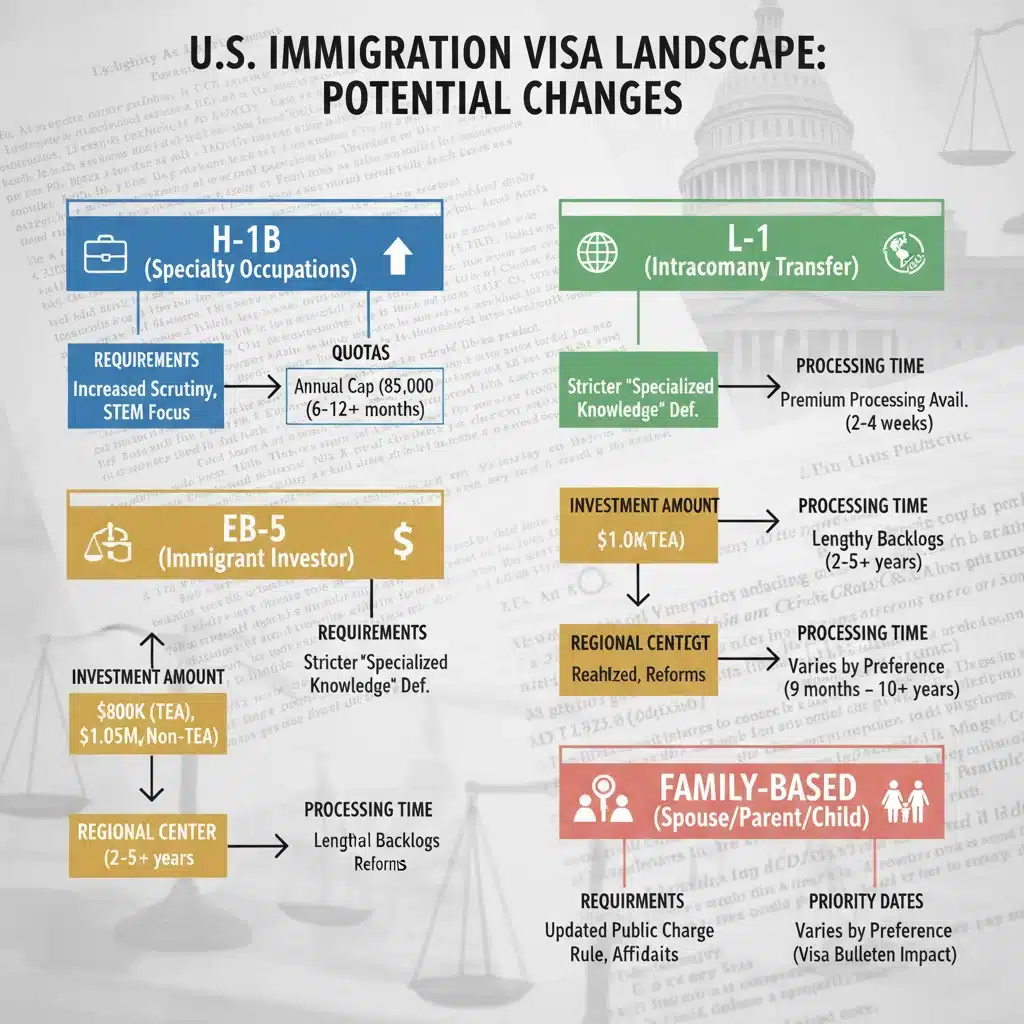
- Employment-Based Immigration: Designed for foreign nationals with specific skills, talents, or capital that can benefit the U.S. economy. This includes various visa categories like H-1B for skilled workers, L-1 for intracompany transferees, O-1 for individuals with extraordinary ability, and EB-1, EB-2, EB-3, EB-4, and EB-5 for permanent residency.
- Refugees and Asylum Seekers: Individuals seeking protection from persecution in their home countries.
- Diversity Visa Program: A lottery program for individuals from countries with historically low rates of immigration to the U.S.
Each category has intricate requirements, annual quotas, and lengthy processing times, leading to backlogs that can span years, or even decades, for some nationalities and visa types. The complexities and perceived inefficiencies of this system are often cited as primary drivers for the push towards reform in US immigration policy.
Drivers of Expected Policy Shifts by Mid-2026
Several critical factors are converging to create an environment ripe for significant changes in US immigration policy:
Economic Imperatives
The U.S. economy is continually evolving, with sectors like technology, healthcare, and advanced manufacturing facing persistent labor shortages. There’s growing recognition that updated immigration policies could help address these gaps by attracting and retaining highly skilled workers, entrepreneurs, and innovators. Discussions often revolve around creating more flexible visa programs that respond to market demands, streamlining processes for STEM graduates, and fostering an environment conducive to economic growth. The need for a robust workforce, particularly as the baby boomer generation retires, is a significant economic driver for modifications to US immigration policy.
Demographic Trends
The aging U.S. population and declining birth rates underscore the importance of immigration for maintaining a vibrant workforce and supporting social security and healthcare systems. Policy discussions frequently touch upon how immigration can offset these demographic challenges, ensuring a sustainable future. This includes considering pathways for younger populations and those in critical service industries.
Border Security and Humanitarian Concerns
The ongoing challenges at the U.S. southern border, marked by increasing migrant encounters and humanitarian crises, remain a central focus of political discourse. Any comprehensive reform of US immigration policy is likely to include provisions addressing border management, asylum processes, and the treatment of undocumented immigrants. There’s a constant tension between enhancing national security and upholding humanitarian principles, and finding a balance will be key to any successful reform effort.
Political Climate and Bipartisan Efforts
While immigration has historically been a polarizing issue, there are intermittent calls for bipartisan cooperation to achieve meaningful reform. The possibility of a new legislative session or executive actions following upcoming elections could create a window for significant policy shifts. Even incremental changes, if strategically implemented, could lay the groundwork for more substantial reforms. Understanding the political will and the specific proposals being debated is paramount to anticipating changes in US immigration policy.
Potential Areas of Reform in US Immigration Policy
While the exact nature of future changes remains speculative, several areas are consistently highlighted in discussions about modernizing US immigration policy:
Employment-Based Visas: Modernization and Expansion
Many experts advocate for an overhaul of the employment-based visa system. This could include:
- Increased Quotas: Raising the annual caps for H-1B, L-1, and other skilled worker visas.
- Green Card Backlog Reduction: Implementing measures to clear the extensive backlogs, possibly by eliminating per-country caps or ‘recapturing’ unused visas from previous years.
- STEM Focus: Creating more straightforward pathways to permanent residency for international graduates with advanced degrees in Science, Technology, Engineering, and Mathematics from U.S. universities.
- Entrepreneurial Visas: Developing new visa categories or expanding existing ones to attract foreign entrepreneurs who can create jobs and innovate within the U.S.
- Sector-Specific Visas: Introducing visas tailored to specific industries experiencing acute labor shortages, such as nursing or agricultural workers.
Family-Based Immigration: Streamlining and Redefinition
Family reunification is a cornerstone of US immigration policy, but it also faces significant backlogs. Potential reforms might include:
- Reducing Wait Times: Efforts to expedite processing for immediate relatives of U.S. citizens and LPRs.
- Redefining Family Categories: Debates sometimes arise about which family relationships qualify for sponsorship and whether certain categories should be expanded or contracted.
- Addressing Age-Out Issues: Policies to protect children of immigrants from ‘aging out’ of eligibility due to processing delays.
Border Security and Asylum System Reform
This is arguably the most contentious area, but also one where change is most urgently sought:
- Enhanced Border Technology: Investment in advanced surveillance and screening technologies.
- Streamlined Asylum Processing: Proposals to accelerate asylum claims, potentially by increasing the number of asylum officers and judges, or by implementing alternative dispute resolution mechanisms.
- Addressing Root Causes of Migration: Increased diplomatic and economic engagement with countries of origin to address factors driving migration.
- Legal Pathways: Exploring expanded legal pathways for temporary workers or those seeking humanitarian protection to reduce irregular migration.
Pathways for Undocumented Immigrants
The fate of the estimated 11 million undocumented immigrants currently residing in the U.S. is a persistent topic. While highly debated, any comprehensive reform of US immigration policy might include discussions on:
- Conditional Status: Granting a pathway to legal status for certain long-term undocumented residents, particularly those brought to the U.S. as children (Dreamers) or essential workers.
- Earned Legalization: Proposals that require undocumented individuals to meet specific criteria (e.g., pay fines, learn English, pass background checks) to earn legal status.
Immigration Enforcement and Due Process
Changes could also affect how immigration laws are enforced and the due process rights of non-citizens. This might involve:
- Reforming Detention Policies: Reviewing practices related to immigrant detention, focusing on alternatives to detention.
- Judicial Review: Ensuring robust judicial review processes for immigration decisions.
Impacts of the Anticipated Shifts in US Immigration Policy
The expected changes by mid-2026 will have far-reaching implications:
For Individuals
- New Opportunities: Certain individuals may find new or expedited pathways to visas and green cards, particularly those in high-demand fields.
- Increased Uncertainty: Others might face continued uncertainty, especially if their current status or planned immigration pathway is subject to stricter criteria or longer processing times.
- Legal Complexities: The evolving legal landscape will necessitate careful navigation and potentially increased reliance on legal counsel.
For Businesses
- Workforce Planning: Businesses relying on foreign talent will need to adapt their recruitment and retention strategies. Easier access to skilled workers could boost innovation and growth.
- Compliance Challenges: New regulations could introduce additional compliance burdens, requiring updated internal policies and legal expertise.
- Economic Growth: A modernized system could alleviate labor shortages, foster entrepreneurship, and contribute positively to the overall economy.
For the U.S. Economy and Society
- Economic Boost: Thoughtful reforms could stimulate economic growth, increase tax revenues, and enhance global competitiveness.
- Social Integration: Policies focused on integration and support for new immigrants could strengthen communities and foster a more inclusive society.
- International Relations: The U.S.’s stance on immigration significantly impacts its relationships with other countries, affecting diplomacy and global partnerships.
Preparing for the Evolving US Immigration Policy Landscape
Given the high probability of significant changes, proactive preparation is essential.
Stay Informed and Seek Expert Advice
The most crucial step is to remain updated on legislative developments and policy announcements. Follow reputable news sources, government agencies (like USCIS, DHS, DOS), and immigration law firms specializing in US immigration policy. Consulting with an experienced immigration attorney is invaluable. They can provide personalized advice based on your specific situation, help you understand current regulations, and anticipate how proposed changes might affect your case. They can also assist in preparing contingency plans.
Review Your Immigration Status and Options
If you are currently in the U.S. on a non-immigrant visa, or if you are considering applying for one, review your current status and explore all available options. Consider whether it’s advisable to pursue a green card application under existing rules if that pathway aligns with your goals and eligibility. For those considering coming to the U.S., research various visa categories thoroughly and understand their requirements and potential processing times.
Document Everything Meticulously
Regardless of potential policy changes, maintaining comprehensive and accurate documentation is always critical for any immigration process. Keep all passports, visas, I-94 records, employment authorizations, educational certificates, financial records, and any other relevant documents organized and readily accessible. Digital backups are also highly recommended. This meticulous record-keeping will be invaluable when navigating new requirements or responding to requests for evidence under revised US immigration policy.
Consider Long-Term Planning
For businesses, this means assessing your reliance on foreign talent and developing strategies to adapt to potential shifts in visa availability or requirements. Explore options for sponsoring employees, investing in domestic talent pipelines, or expanding operations in other countries if immigration becomes more restrictive. For individuals, consider your long-term goals and how potential changes might influence your career, family planning, or educational pursuits in the U.S.
Engage in Advocacy (Where Appropriate)
Individuals and organizations passionate about immigration reform can engage in advocacy efforts. This can include contacting elected officials, supporting organizations that champion specific immigration causes, or participating in public discourse. Collective voices can influence the direction of future US immigration policy.

The Role of Technology and Innovation in Future Immigration
Beyond legislative reforms, technology is increasingly playing a role in shaping US immigration policy and its implementation. We might see:
- Blockchain for Identity Verification: Secure, decentralized ledgers could enhance the integrity and efficiency of identity verification and document management for immigrants.
- AI-Powered Processing: Artificial intelligence could be used to streamline visa application processing, flag inconsistencies, and improve overall efficiency, potentially reducing backlogs.
- Digital Platforms for Services: Further development of online portals and digital services for applicants, reducing the need for paper-based submissions and in-person appointments.
- Data Analytics for Policy Making: Advanced data analytics can provide policymakers with deeper insights into immigration trends, economic impacts, and demographic needs, leading to more evidence-based policy decisions.
While these technological advancements promise greater efficiency and transparency, concerns about data privacy, algorithmic bias, and equitable access will need to be carefully addressed as they become integrated into US immigration policy.
Global Context: How International Trends Influence US Policy
It’s also important to view US immigration policy within a global context. International migration patterns, geopolitical conflicts, and economic conditions in other countries inevitably influence the flow of people to the United States. For example, humanitarian crises in various parts of the world can increase asylum claims, while economic booms or downturns in other developed nations can affect the competitiveness of the U.S. in attracting skilled labor.
Furthermore, how other leading nations manage their immigration systems can provide models or cautionary tales for U.S. policymakers. The global competition for talent means that a country’s immigration policies directly impact its ability to attract and retain the brightest minds and most innovative entrepreneurs. Therefore, any significant shift in US immigration policy by mid-2026 will likely be informed by both domestic considerations and a keen awareness of global trends and best practices.
Conclusion: Navigating the Evolving US Immigration Policy Landscape
The anticipation of major shifts in US immigration policy by mid-2026 signals a period of potential transformation. While the specifics are yet to be fully defined, it is clear that the current system is under immense pressure to adapt to modern realities. These changes, whether incremental or comprehensive, will undoubtedly reshape the lives of countless individuals and influence the trajectory of the U.S. economy and society.
For anyone affected by or interested in U.S. immigration, vigilance and proactive planning are paramount. Staying informed through reliable sources, seeking expert legal counsel, and meticulously preparing all necessary documentation will be key to successfully navigating this evolving landscape. The future of US immigration policy is not just a matter of law and regulation; it’s a reflection of national values, economic aspirations, and humanitarian commitments. As mid-2026 approaches, the discussions and decisions made today will lay the groundwork for the immigration framework of tomorrow, profoundly shaping who comes to America and how they contribute to its ongoing story.